Free shipping from €50 in Germany
Women's Trekking Shoes

Filtern & Sortieren
70 products
-

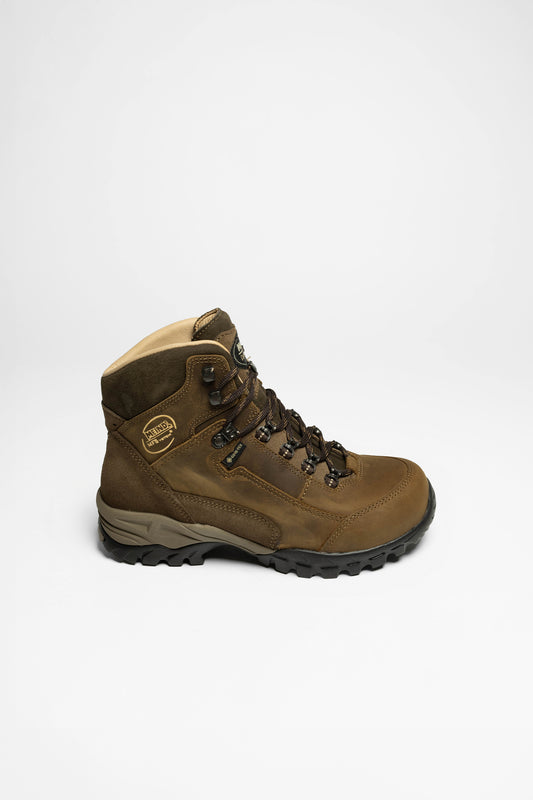 Vendor:Meindl
Matrei Lady GTX Women's (Dark Brown)
Sale price 195,00 € Regular priceUVP 279,90 €Regular price 195,00 €Unit price per30 % -

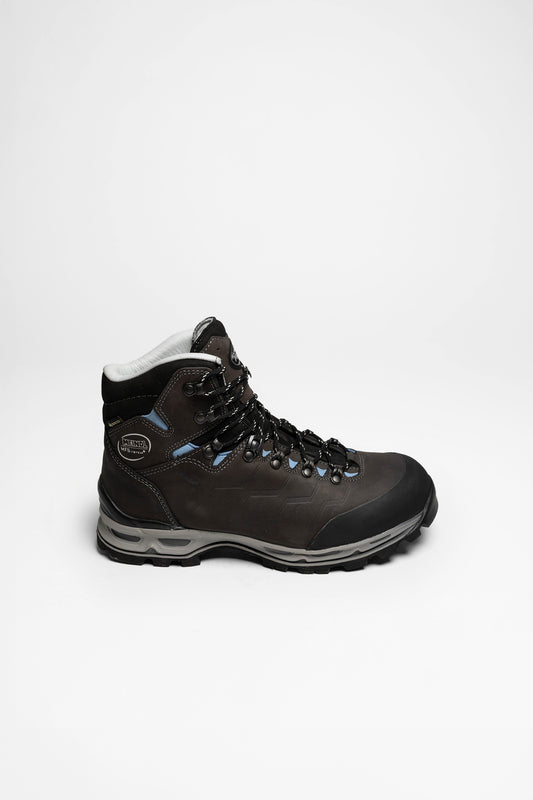 Vendor:Meindl
Bellavista Lady Mfs GTX Women (Anthracite/Azure)
Sale price 185,00 € Regular priceUVP 265,00 €Regular price 185,00 €Unit price per30 % -

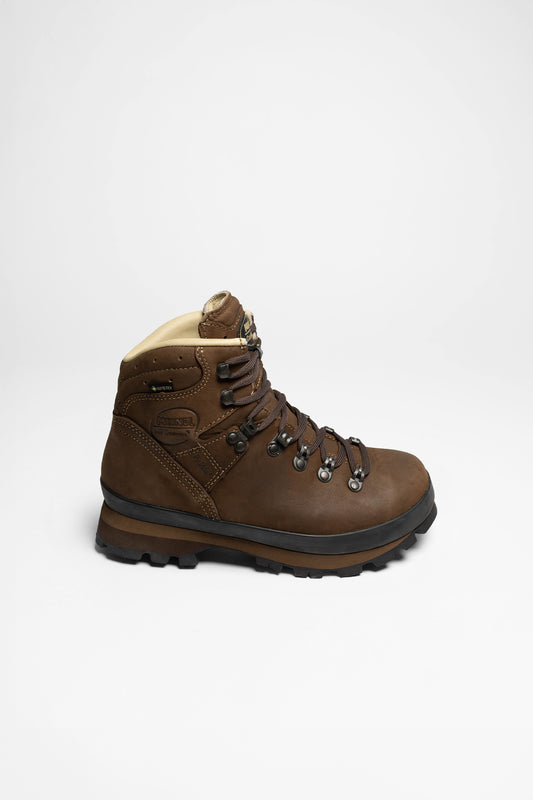 Vendor:Meindl
Bernina Lady GTX Women's (Dark Brown/Nougat)
Sale price 251,00 € Regular priceUVP 359,90 €Regular price 251,00 €Unit price per30 % -

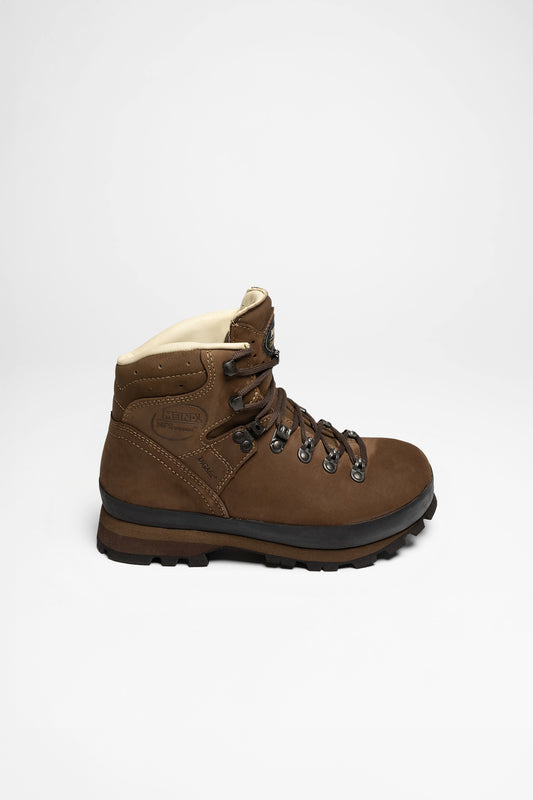 Vendor:Meindl
Bernina Lady 2 Women's (Dark Brown/Nougat)
Sale price 237,00 € Regular priceUVP 339,90 €Regular price 237,00 €Unit price per30 % -

 Vendor:Meindl
Brindisi Lady Women (Jeans/Light Blue)
Sale price 104,00 € Regular priceUVP 149,90 €Regular price 104,00 €Unit price per31 % -

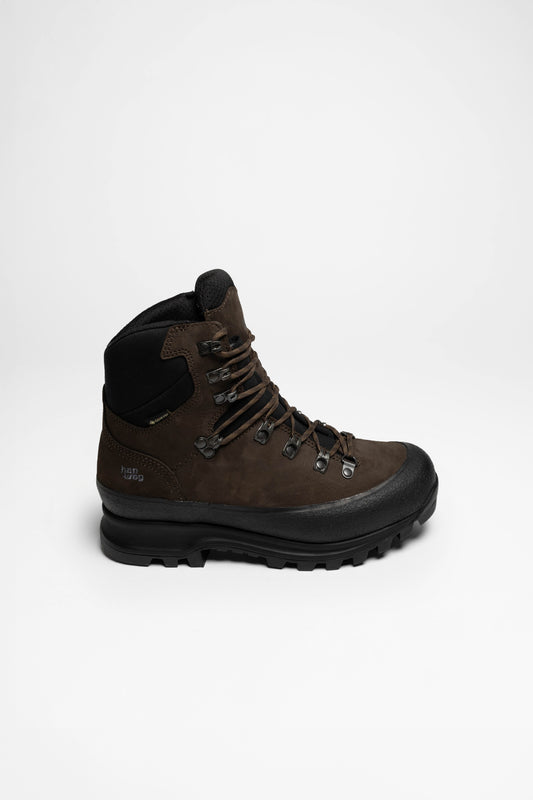 Vendor:Hanwag
Nazcat II Lady GTX Women's (Mocca/Black)
Sale price 210,00 € Regular priceUVP 300,00 €Regular price 210,00 €Unit price per30 % -

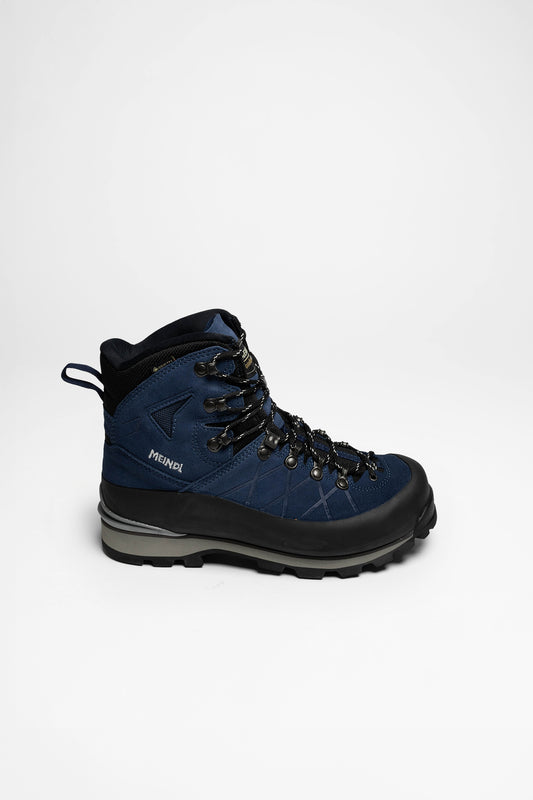 Vendor:Meindl
Antelao Lady Pro GTX Women's (Navy/Silver)
Sale price 230,00 € Regular priceUVP 329,90 €Regular price 230,00 €Unit price per30 % -

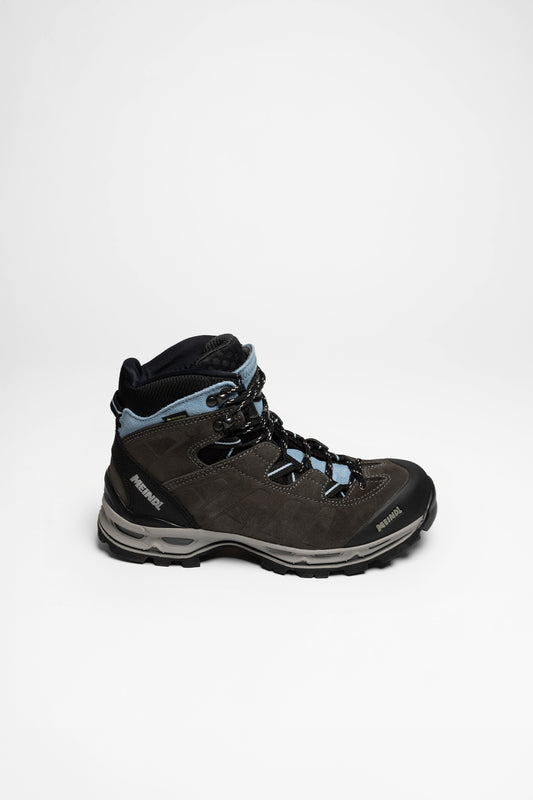 Vendor:Meindl
Air Revolution Lady Ultra Women (Anthracite/Azure)
Sale price 209,00 € Regular priceUVP 299,90 €Regular price 209,00 €Unit price per30 % -

 Vendor:Hanwag
Tatra II Wide Lady GTX Women's (Asphalt/Dark Garnet)
Sale price 208,00 € Regular priceUVP 320,00 €Regular price 208,00 €Unit price per35 % -

 Vendor:Hanwag
Tatra II Lady GTX Women (Earth/Brown)
Sale price 208,00 € Regular priceUVP 320,00 €Regular price 208,00 €Unit price per35 % -

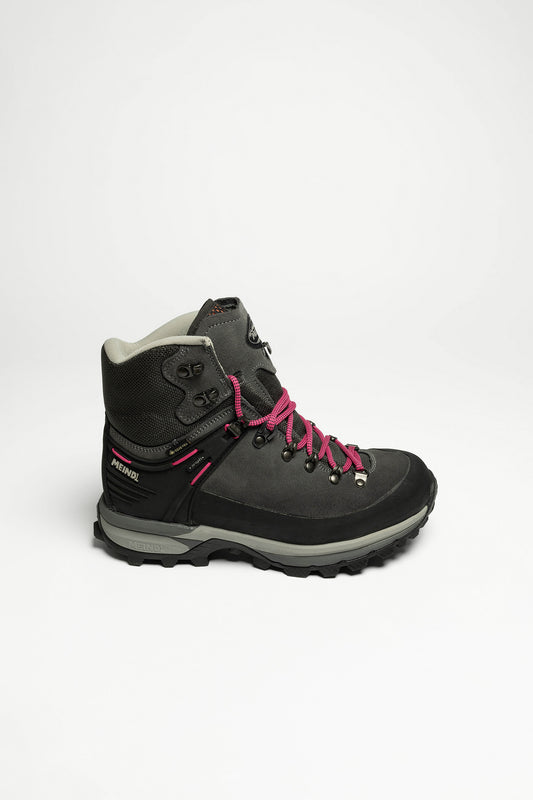 Vendor:Meindl
Air Revolution 1.5 Lady Women (Grey/Fuchsia)
Sale price 202,00 € Regular priceUVP 289,90 €Regular price 202,00 €Unit price per30 % -

 Vendor:Meindl
Paradiso Lady Mfs Women's (Fawn/Carmine)
Sale price 209,00 € Regular priceUVP 299,90 €Regular price 209,00 €Unit price per30 % -

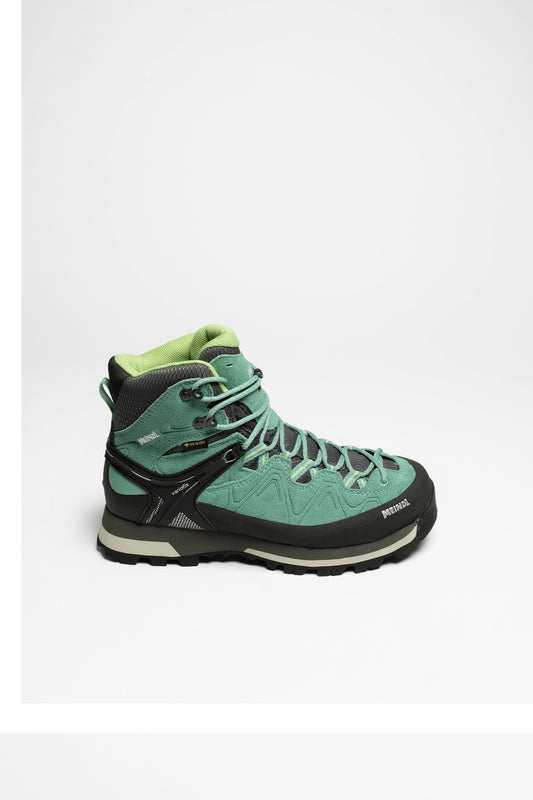 Vendor:Meindl
Tonale Lady GTX Women's (Linden/Lemon)
Sale price 174,00 € Regular priceUVP 249,90 €Regular price 174,00 €Unit price per30 % -

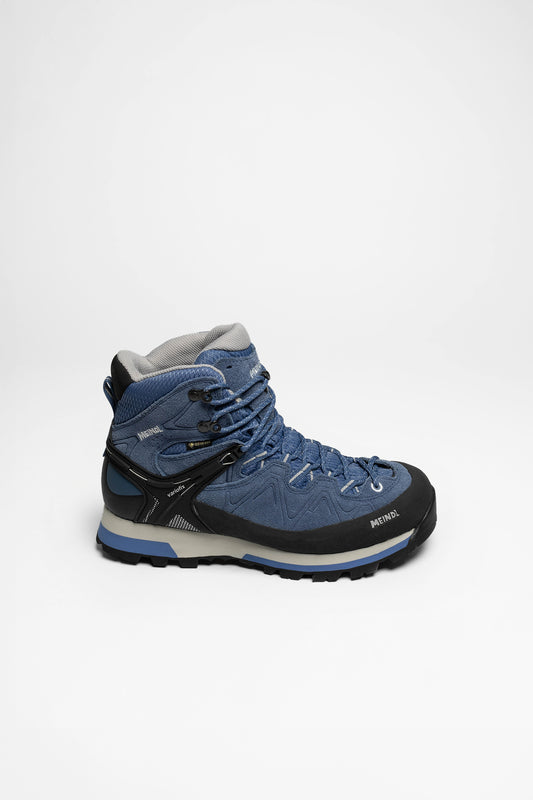 Vendor:Meindl
Tonale Lady GTX Women's (Jeans/Light Grey)
Sale price 124,00 € Regular priceUVP 249,90 €Regular price 124,00 €Unit price per50 % -

 Vendor:Hanwag
Tatra Light Lady GTX Women (Asphalt/Ocean)
Sale price 182,00 € Regular priceUVP 280,00 €Regular price 182,00 €Unit price per35 % -

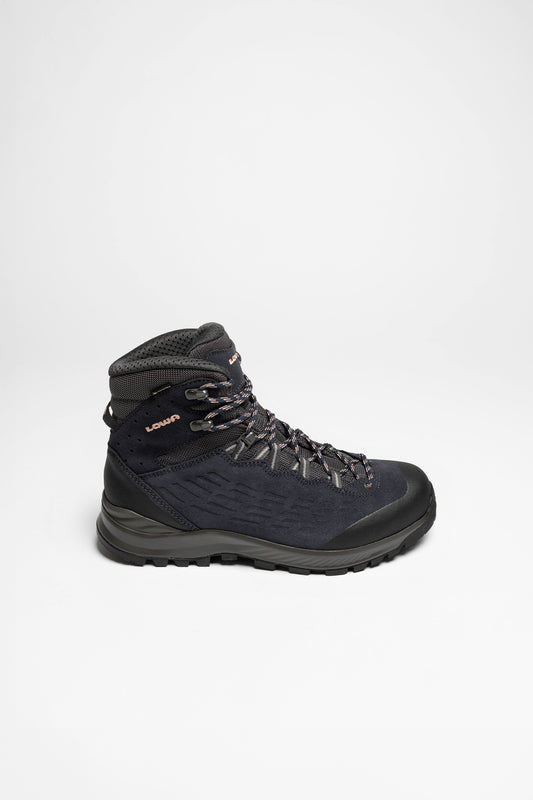 Vendor:Lowa
Lowa Explorer II GTX Mid Ws Women (Navy/Rose)
Sale price 115,00 € Regular priceUVP 230,00 €Regular price 115,00 €Unit price per50 % -

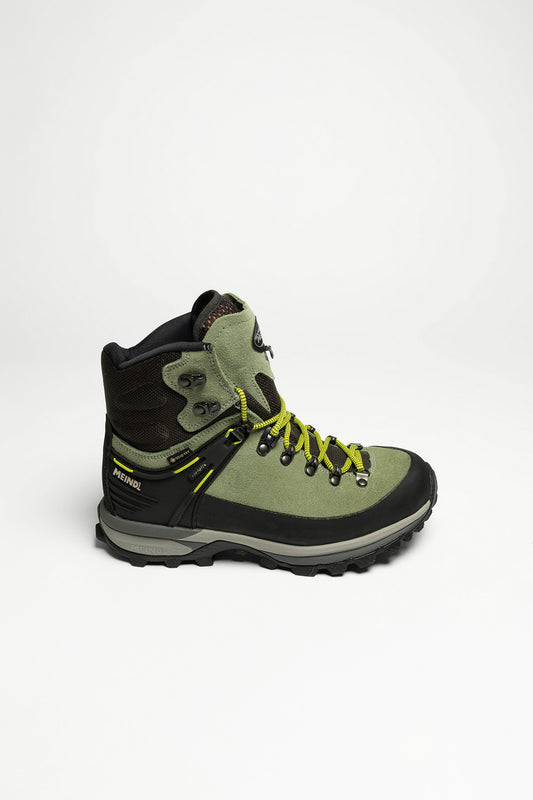 Vendor:Meindl
Air Revolution 1.5 Lady Women (Lime/Lemon)
Sale price From 201,93 € Regular priceUVP 289,90 €Regular price From 201,93 €Unit price per30 % -

 Vendor:Hanwag
Nazcat II Lady GTX Women's (Navy/Black)
Sale price 210,00 € Regular priceUVP 300,00 €Regular price 210,00 €Unit price per30 % -

 Vendor:Hanwag
Tatra II Wide Lady GTX Women's (Earth/Brown)
Sale price 128,00 € Regular priceUVP 320,00 €Regular price 128,00 €Unit price per60 % -

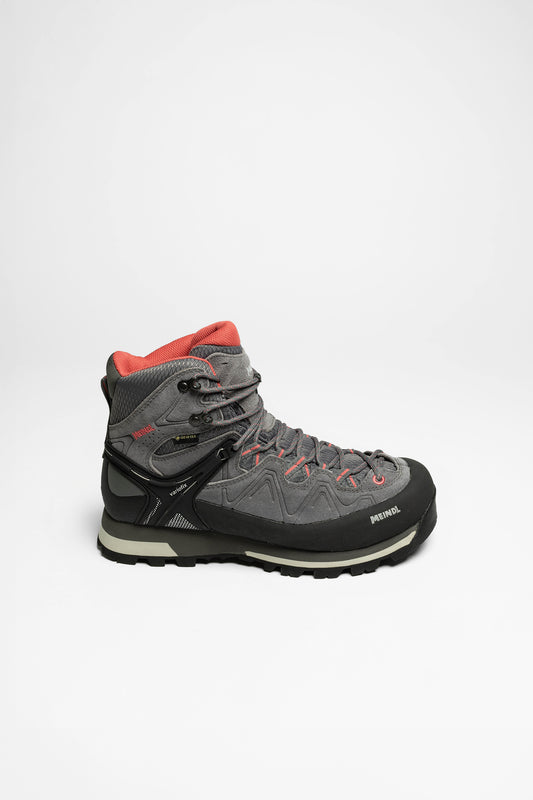 Vendor:Meindl
Tonale Lady GTX Women's (Anthracite/Rose)
Sale price 174,00 € Regular priceUVP 249,90 €Regular price 174,00 €Unit price per30 % -

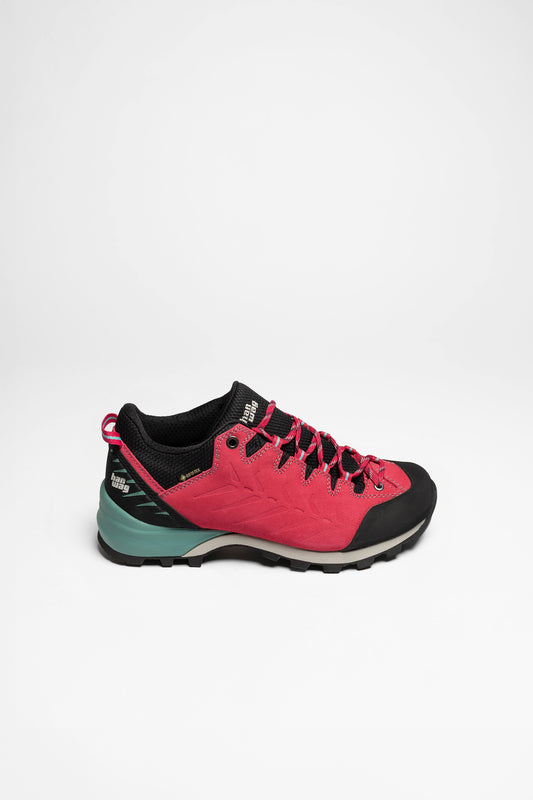 Vendor:Hanwag
Makra Pro Low Lady GTX Women's (Pink/Mint)
Sale price 162,00 € Regular priceUVP 250,00 €Regular price 162,00 €Unit price per35 % -

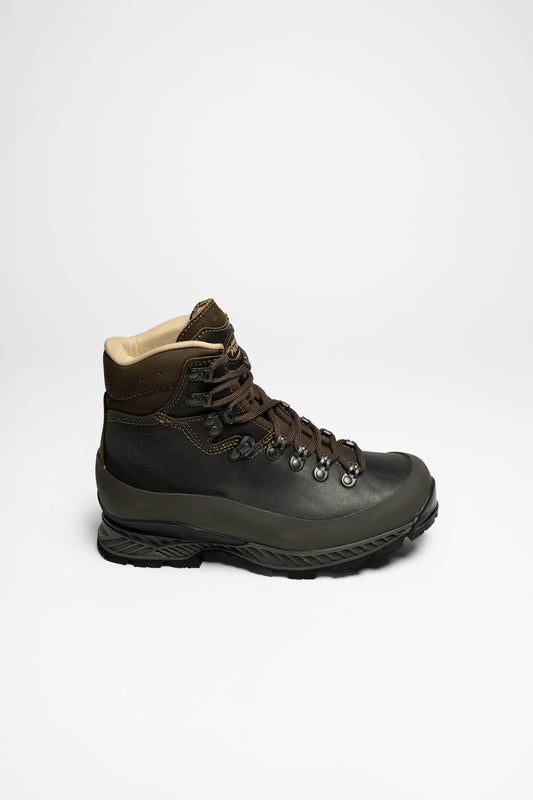 Vendor:Meindl
Schlern Lady MFS Women's (Dark Brown)
Sale price 223,00 € Regular priceUVP 319,90 €Regular price 223,00 €Unit price per30 % -

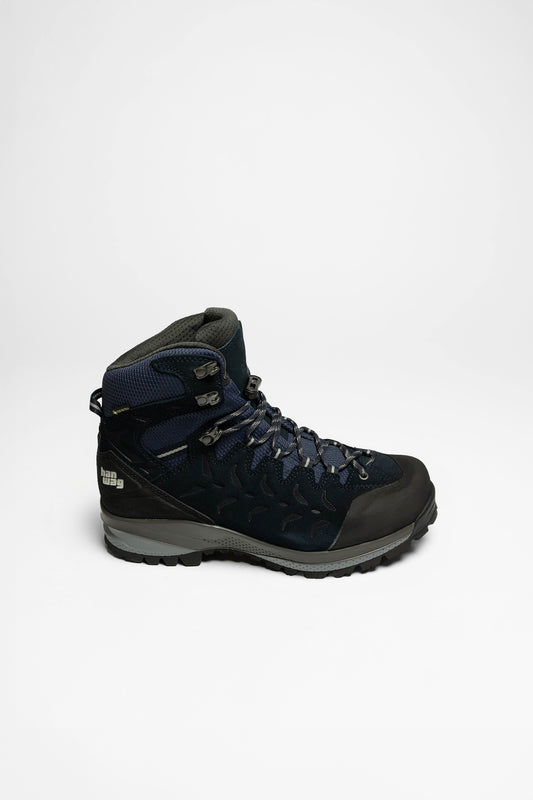 Vendor:Hanwag
Makra Trek Sf Extra Lady GTX Women (Navy/Light Grey)
Sale price 150,00 € Regular priceUVP 300,00 €Regular price 150,00 €Unit price per50 % -

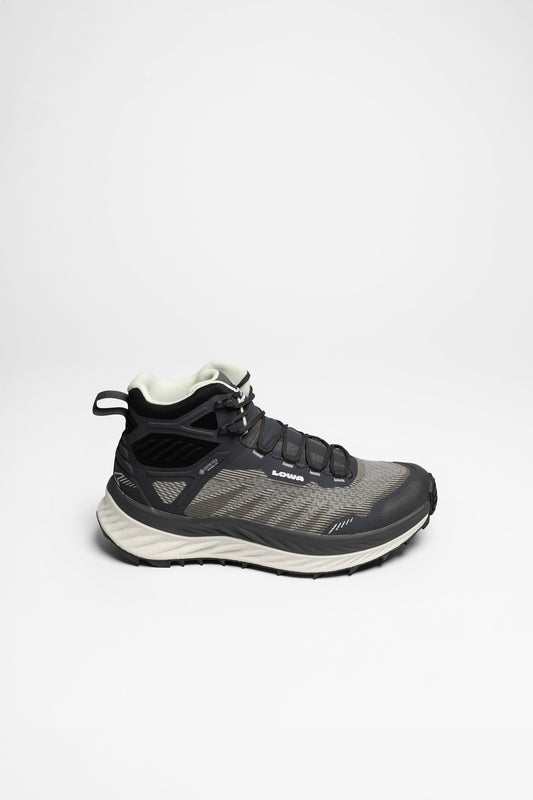 Vendor:Lowa
Fortux GTX QC Ws Women (Black/White)
Sale price 140,00 € Regular priceUVP 200,00 €Regular price 140,00 €Unit price per30 %


Frequently Asked Questions (FAQ)
Are women’s trekking boots waterproof and breathable?
Yes, most models designed for trekking are fitted with a Gore-Tex membrane (GTX). It keeps out moisture from rain or snow, whilst allowing moisture to escape from the inside so that your feet stay dry. As the membrane also blocks the wind, models with good insulation are also suitable as women’s winter trekking boots. For summer trekking boots for women, waterproof models made from lightweight and breathable mesh or thin suede are ideal.
How can I prevent blisters on my heels and sore little toes?
Painful blisters on your heels are almost always caused by your heels slipping out of your shoes. Your heels lift off the ground with every step and rub against the shoe until they become sore. You can prevent this by buying a pair of trekking shoes with a women’s last. If your heels still slip, the pulley lacing system will help to ensure the shoes fit more securely at the back.
Sore little toes are almost always caused by a lack of space. If you’ve already bought the shoes, you can try lacing them loosely in the forefoot area. Otherwise, you should buy a pair with more room in the toe box.
How do I break in my new women’s walking boots?
Definitely not on a long hike – you’ll end up with blisters. Start by wearing your boots a few times for short distances in your everyday life, for example on your daily walk with the dog. This allows the material to gradually mould to the shape of your foot. If you feel comfortable afterwards and have no discomfort, you’re ready for that long hike.
Are there any trekking boots for women with hallux valgus?
Yes, hiking and trekking boot specialist Hanwag has special bunion-friendly models for women with hallux valgus in its range. Thanks to the generously sized toe box, you’ll have significantly more space in the boots. What’s more, they have no internal seams in the ball of the foot area, which could press against and chafe the ankle whilst out on hikes.